Essential Diesel Repair Tips for Every Owner
Owning a diesel vehicle can be a rewarding experience, but it also comes with its own set of challenges. Diesel engines are known for their durability and efficiency, but they require specific maintenance and repair practices to keep them running smoothly. Whether you are a seasoned diesel owner or new to the world of diesel engines, understanding essential repair tips can save you time, money, and headaches down the road.
In this blog post, we will explore key maintenance practices, common issues, and practical repair tips that every diesel owner should know.
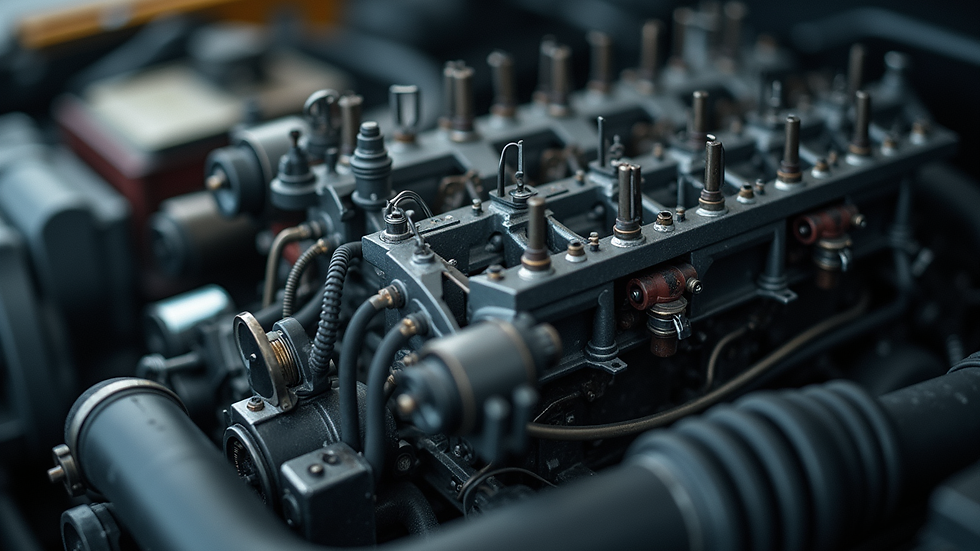
Understanding Diesel Engines
Before diving into repair tips, it's important to understand how diesel engines work. Unlike gasoline engines, diesel engines rely on compression to ignite fuel. This process makes them more efficient and gives them a longer lifespan. However, it also means that they require specific care.
Key Components of Diesel Engines
Fuel System: This includes the fuel tank, fuel pump, and injectors. Keeping this system clean is crucial for performance.
Air Intake System: This system brings in air for combustion. A clean air filter is essential for optimal engine performance.
Cooling System: Diesel engines generate a lot of heat, so maintaining the cooling system is vital to prevent overheating.
Exhaust System: This system removes exhaust gases. Regular checks can prevent blockages and improve efficiency.
Regular Maintenance Practices
Regular maintenance is the cornerstone of keeping your diesel engine in top shape. Here are some essential practices:
Change the Oil Regularly
Changing the oil in your diesel engine is crucial for its longevity. Diesel engines produce more soot than gasoline engines, which can contaminate the oil.
Frequency: Change the oil every 5,000 to 7,500 miles, or as recommended by your vehicle’s manufacturer.
Type of Oil: Use high-quality diesel engine oil that meets API standards.
Monitor Fuel Quality
Fuel quality can significantly impact your engine's performance. Poor-quality fuel can lead to injector problems and reduced efficiency.
Use Clean Fuel: Always fill up at reputable stations.
Additives: Consider using fuel additives to clean injectors and improve combustion.
Inspect the Air Filter
A clean air filter ensures that your engine receives adequate airflow. A clogged filter can reduce performance and fuel efficiency.
Check Regularly: Inspect the air filter every 10,000 miles and replace it if it appears dirty.
Clean or Replace: Depending on the type of filter, you may be able to clean it instead of replacing it.
Common Diesel Engine Issues
Even with regular maintenance, diesel engines can face issues. Here are some common problems and how to address them:
Hard Starting
If your diesel engine is hard to start, it could be due to several factors, including battery issues or fuel delivery problems.
Check the Battery: Ensure the battery is fully charged and in good condition.
Inspect Fuel Lines: Look for leaks or blockages in the fuel lines.
Excessive Smoke
Excessive smoke can indicate a problem with fuel combustion.
Blue Smoke: This often indicates oil burning, which could mean worn piston rings.
Black Smoke: This usually means too much fuel is being injected, often due to a clogged air filter or faulty injectors.
Overheating
Overheating can lead to severe engine damage.
Check Coolant Levels: Ensure the coolant is at the proper level and in good condition.
Inspect the Radiator: Look for blockages or leaks in the radiator.
Practical Repair Tips
When it comes to repairs, having a few practical tips can make the process smoother.
Use Quality Parts
When replacing parts, always opt for high-quality components.
OEM vs. Aftermarket: Original Equipment Manufacturer (OEM) parts are often more reliable than aftermarket options.
Warranty: Check if the parts come with a warranty for added peace of mind.
Keep a Repair Log
Maintaining a repair log can help you track maintenance and repairs over time.
Record Details: Note the date, mileage, and type of service performed.
Monitor Patterns: This can help identify recurring issues that may need further attention.
Learn Basic Repairs
Understanding basic repairs can save you money and time.
Change the Oil: Learn how to change your oil and filter.
Replace the Air Filter: This is a simple task that can be done at home.
When to Seek Professional Help
While many repairs can be done at home, some situations require professional assistance.
Complex Engine Issues
If you encounter complex issues like engine knocking or severe overheating, it’s best to consult a professional mechanic.
Diagnostic Tools: Professionals have access to diagnostic tools that can pinpoint issues more accurately.
Expertise: Experienced mechanics can provide insights and solutions that may not be apparent to a novice.
Warranty Considerations
If your vehicle is still under warranty, it’s often best to have repairs done at an authorized service center.
Avoid Voiding Warranty: DIY repairs can sometimes void your warranty, so check the terms before proceeding.
Conclusion
Owning a diesel vehicle comes with its unique set of responsibilities, but with the right knowledge and practices, you can keep your engine running smoothly for years to come. Regular maintenance, understanding common issues, and knowing when to seek professional help are all essential for every diesel owner.
By implementing these essential diesel repair tips, you can enhance your vehicle's performance and longevity. Remember, a well-maintained diesel engine not only saves you money in the long run but also provides a reliable driving experience.
Take charge of your diesel engine today and ensure it remains in top condition for all your journeys ahead!


Comments